Tracking the Emergence of Hybrid Games Combining Player Skill with Random Elements in Regulated Online Environments
Ellis Lehmann · Aug 15, 2026
Tracking the Emergence of Hybrid Games Combining Player Skill with Random Elements in Regulated Online Environments
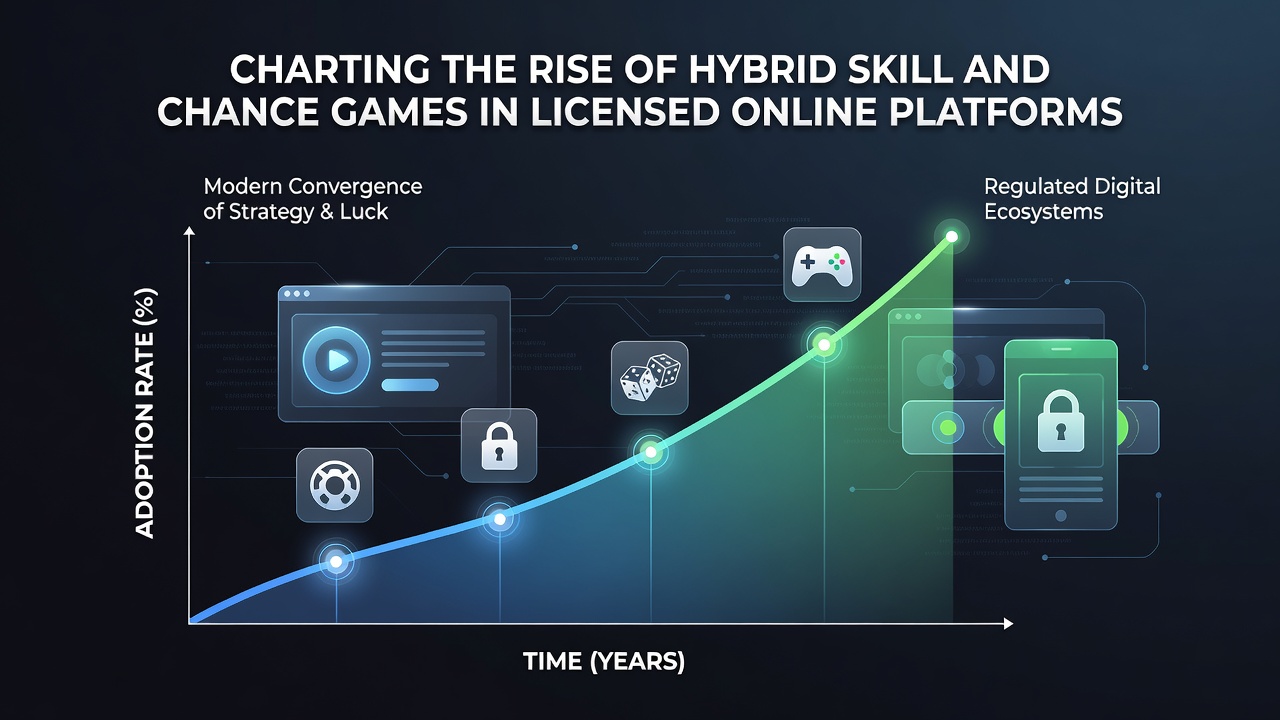
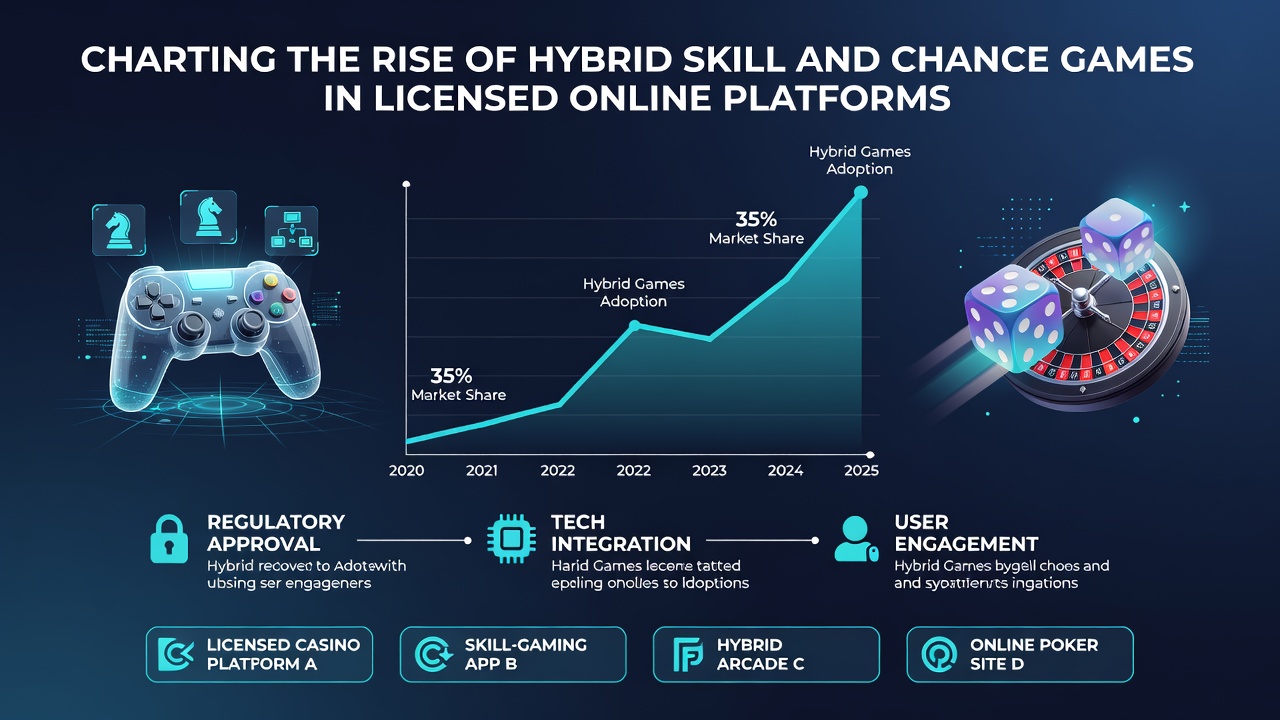
Hybrid games that blend elements of player skill with chance mechanics have gained traction across licensed online platforms since the early 2020s, with regulators in multiple jurisdictions adapting frameworks to accommodate these formats. Data from state gaming agencies shows participation rising steadily through 2025 and into 2026, driven by technological improvements in real-time analytics and secure transaction systems. In August 2026, several North American operators reported increased session engagement metrics for titles that incorporate decision-making layers over randomized outcomes, according to filings submitted to oversight bodies.
Defining Hybrid Skill and Chance Mechanics
These games typically feature core random number generation for outcomes while layering in player choices that influence results over repeated plays, such as card selection sequences in video poker variants or strategic betting adjustments in fantasy-style simulations. Unlike pure chance offerings, hybrids reward consistent decision quality, yet probability remains a central factor that prevents deterministic results. Researchers at institutions tracking digital gaming patterns note that platforms in regulated markets must demonstrate mathematical fairness through independent audits before deployment.
European authorities including the Malta Gaming Authority have issued guidelines requiring operators to separate skill components from chance elements in promotional materials, ensuring transparency for participants. Similar requirements appear in Canadian provincial regulations where operators submit detailed probability tables for review. This dual structure creates measurable edges for skilled players without eliminating the house advantage inherent in the random component.
Regulatory Developments and Market Data
Licensing bodies in the United States have expanded approvals for hybrid formats following pilot programs in states like New Jersey and Pennsylvania. The New Jersey Division of Gaming Enforcement documented a 14 percent year-over-year increase in hybrid game revenue during the first half of 2026, with cross-platform play contributing to higher retention figures. Operators integrate these titles into mobile applications that comply with geofencing and age-verification standards enforced at the state level.
Industry reports from the Canadian Gaming Association highlight parallel growth in provinces where skill-based elements receive explicit categorization under existing gaming statutes. Platforms must maintain detailed logs of player decisions alongside random outcomes to facilitate audits, a process that has become standard since 2024 updates to compliance software.
Technological Integration and Platform Adaptations
Online providers have incorporated advanced algorithms that track decision patterns while preserving the integrity of random generators certified by testing labs. These systems allow real-time adjustment of payout percentages based on aggregated player behavior data without altering individual game fairness. Observers note that such capabilities emerged prominently after 2023 updates to server infrastructure across major operators.
Integration with live dealer environments represents another development, where participants influence virtual table elements through skill inputs while chance determines card or wheel results. Australian regulatory updates from the Northern Territory Racing Commission in 2025 addressed these mixed formats by mandating clear disclosure of skill versus chance ratios in game rules. Operators responded by embedding explanatory interfaces that display historical decision impact statistics to users.
Player Engagement Patterns and Compliance Measures
Engagement data collected by licensed platforms indicates that hybrid formats sustain longer average play sessions compared to pure chance options, particularly when progressive features tie into skill milestones. Regulators require operators to implement session time reminders and spending limit tools specifically calibrated for these games, given their extended interaction potential. Studies from academic centers examining digital behavior patterns confirm that transparent probability displays correlate with higher compliance rates among participants.
Cross-border platforms operating under multiple licenses coordinate reporting to satisfy divergent rules, such as those distinguishing skill-influenced games from traditional slots. This coordination has intensified since mid-2025, with shared databases enabling consistent player protection protocols across regions.
Conclusion
Hybrid skill and chance games continue to expand within licensed online environments as regulatory frameworks mature and technological tools support verified fairness. Data compiled through August 2026 demonstrates sustained interest alongside strengthened oversight mechanisms that prioritize participant information and audit transparency. Platforms maintain these offerings by aligning with jurisdiction-specific requirements that balance innovation with established standards for random outcome integrity.