30 May 2026
US Sweepstakes Casino Operators Adjust Strategies Amid 2026 State-Level Market Contractions

Operators in the US sweepstakes casino sector have confronted a contracting market throughout 2026 as multiple states implemented fresh restrictions that reduced available revenue streams and forced portfolio realignments. Data from industry trackers indicate that California's Assembly Bill 831 removed an estimated 20 percent of national revenue when it took effect on January 1 2026 while Indiana's House Bill 1052 signed in March 2026 and enforced from July 1 added further pressure on remaining platforms. Earlier exits from New York Maine and additional states in 2025 had already narrowed the operational footprint leaving major players to recalibrate product offerings and geographic focus.
Regulatory Developments Driving Market Shrinkage
California's legislation introduced licensing requirements and operational limits that effectively curtailed sweepstakes model viability for many platforms while Indiana's measure established similar enforcement mechanisms aimed at consumer protections and tax compliance. Observers note that these bills followed patterns seen in prior state actions where lawmakers cited concerns over unregulated gaming mechanics. The combined effect produced a landscape in which operators could no longer rely on broad national access and instead needed to evaluate each jurisdiction on a case-by-case basis.
VGW and Other Operators Execute State Exits
Virtual Gaming Worlds parent company of Chumba Casino initiated withdrawals from several restricted states during the first half of 2026 and redirected resources toward compliant markets. Company filings and public statements reveal that VGW launched new brands including LuckyLand Casino and Just Slots to diversify user acquisition channels and test alternative engagement formats. Marketing teams shifted budgets away from broad digital campaigns toward targeted promotions in jurisdictions that maintained favorable rules and product structures underwent adjustments to align with updated legal interpretations.
Product and Marketing Adaptations Underway
Adjustments extended beyond geographic retreats as operators modified bonus structures and game libraries to emphasize skill-based elements and clearer compliance language. Teams at multiple firms introduced segmented player experiences that separated promotional play from real-money mechanics while tightening age-verification protocols. Data from platform analytics showed increased investment in mobile optimization and loyalty programs designed to retain users within permitted regions. These moves occurred against a backdrop of ongoing litigation in several states where operators challenged enforcement timelines and definitions of sweepstakes legality.
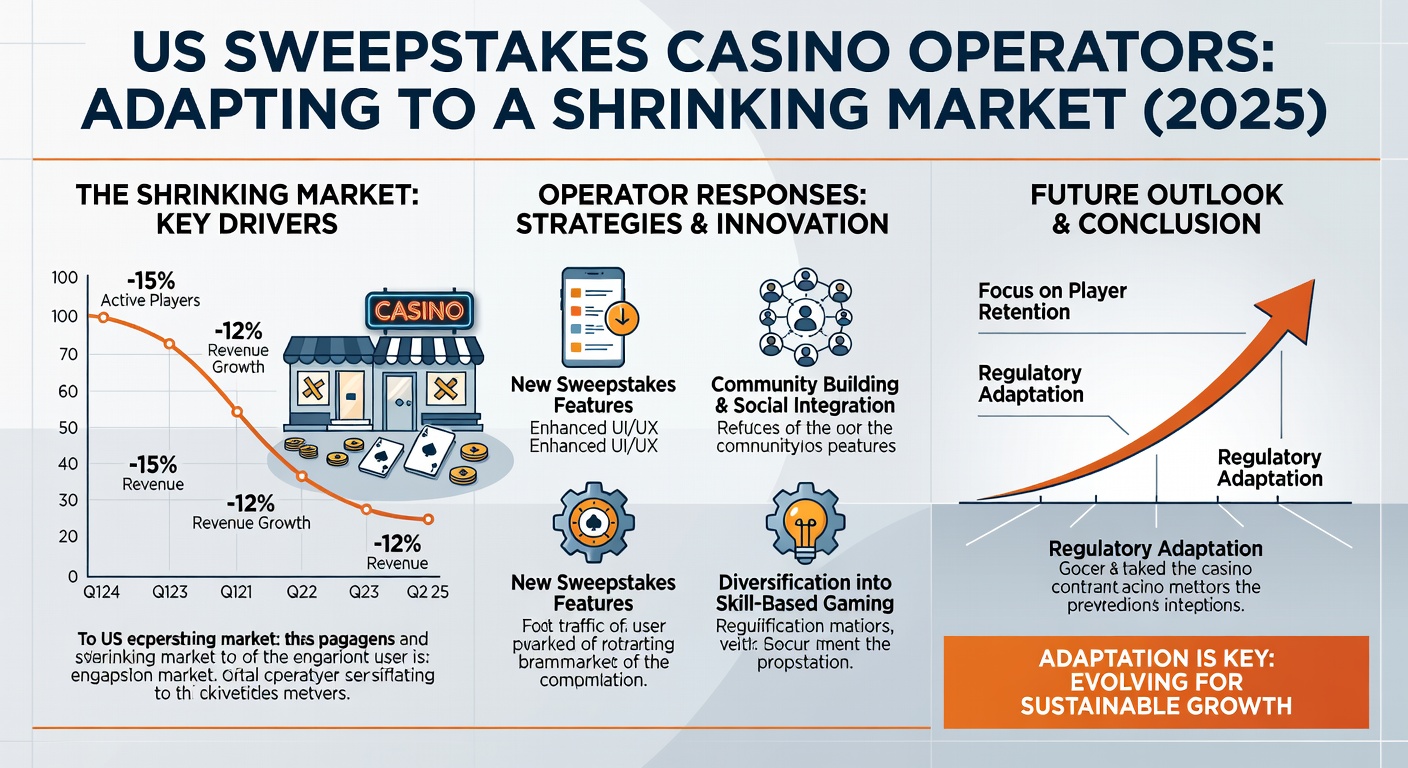
By May 2026 the pace of these changes had accelerated with some platforms reporting quarterly revenue drops of up to 15 percent compared with the previous year. Industry reports highlight that smaller operators faced steeper challenges than larger entities with established compliance departments yet even established names such as VGW continued refining their approaches to maintain viability.
Broader Market Implications and Remaining Opportunities
The contraction prompted discussions within trade associations about potential federal guidelines though no unified legislation advanced during the spring session. Remaining active states presented concentrated opportunities for operators willing to invest in localized compliance teams and state-specific product variants. Figures released by state gaming commissions indicate that permitted markets experienced modest upticks in player activity as displaced users migrated toward compliant platforms. This redistribution created pockets of growth even as overall national sweepstakes revenue declined.
Companies also explored partnerships with land-based venues and social gaming developers to offset losses while monitoring court outcomes that could reopen previously restricted jurisdictions. Research from academic centers tracking gaming policy shows that regulatory clarity tends to stabilize markets over time although the immediate 2026 environment required rapid operational pivots.
Conclusion
US sweepstakes casino operators responded to 2026 restrictions through a combination of market exits brand diversification and product refinements that reflected both immediate compliance needs and longer-term positioning. California's January implementation and Indiana's July enforcement joined earlier state actions to reshape the competitive map while firms such as VGW demonstrated adaptive tactics via new launches and marketing realignments. The situation continues to evolve as additional litigation and legislative proposals surface across the country.